The interesting number in Springdale right now isn't the median sale price. It's the gap between what a tenant is currently paying on a month-to-month lease in a Springdale fourplex and what that same unit could rent for today. On one active listing, that gap runs to roughly $12,263 a month, or about $147,000 a year, sitting inside a property that needs no renovation to capture it. The seller isn't hiding this. It's in the listing.
That gap exists because of something that happened in a different city. Bentonville recently saw a multifamily asset trade for a reported $46 million, an institutional-scale deal that tells you more about Springdale than it does about Bentonville. Institutional buyers don't write checks that size on a whim. They underwrite occupancy, lease expirations, operating expenses, and rent growth with enough rigor that the price itself becomes a signal to everyone else in the market. When a deal like that closes, it compresses cap rates for stabilized, high-quality multifamily in that city and pushes the yield that small investors are chasing somewhere else. In Northwest Arkansas right now, somewhere else increasingly means Springdale's older duplex and small multifamily stock.
What the Bentonville Sale Priced In
A transaction at that scale sets a data point every appraiser and broker in the region will reference for the next several deals. It tells the market that institutional capital believes Northwest Arkansas multifamily has moved past emerging-market pricing into something closer to an established metro. That belief attracts more of the same kind of capital, and more capital chasing the same stabilized Class A assets does what it always does to cap rates: it pushes them down, which pushes asset values up for anyone selling a comparable property.
That's good news if you already own a stabilized twenty-unit building in Bentonville. It's a different story if you're a first-time or small-portfolio investor trying to find a duplex or fourplex that still cash flows at a reasonable purchase price. The properties institutional buyers want, and the properties small investors can actually finance and manage, are not the same properties. Institutional capital has a minimum check size. A two-unit or four-unit building in Springdale, priced in the low-to-mid hundreds of thousands, sits well below that floor. It's not on the institutional radar, which means it hasn't been repriced by the same wave of capital that just moved through Bentonville.
Three Active Listings, One Pattern
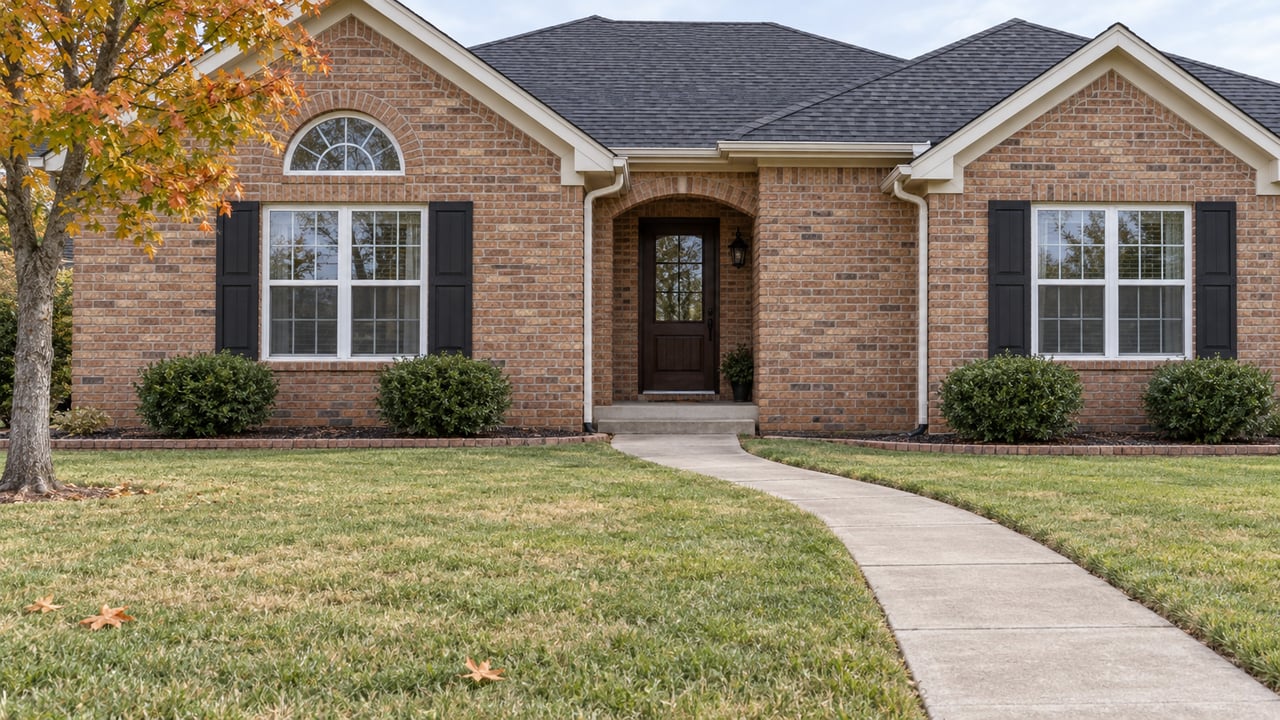
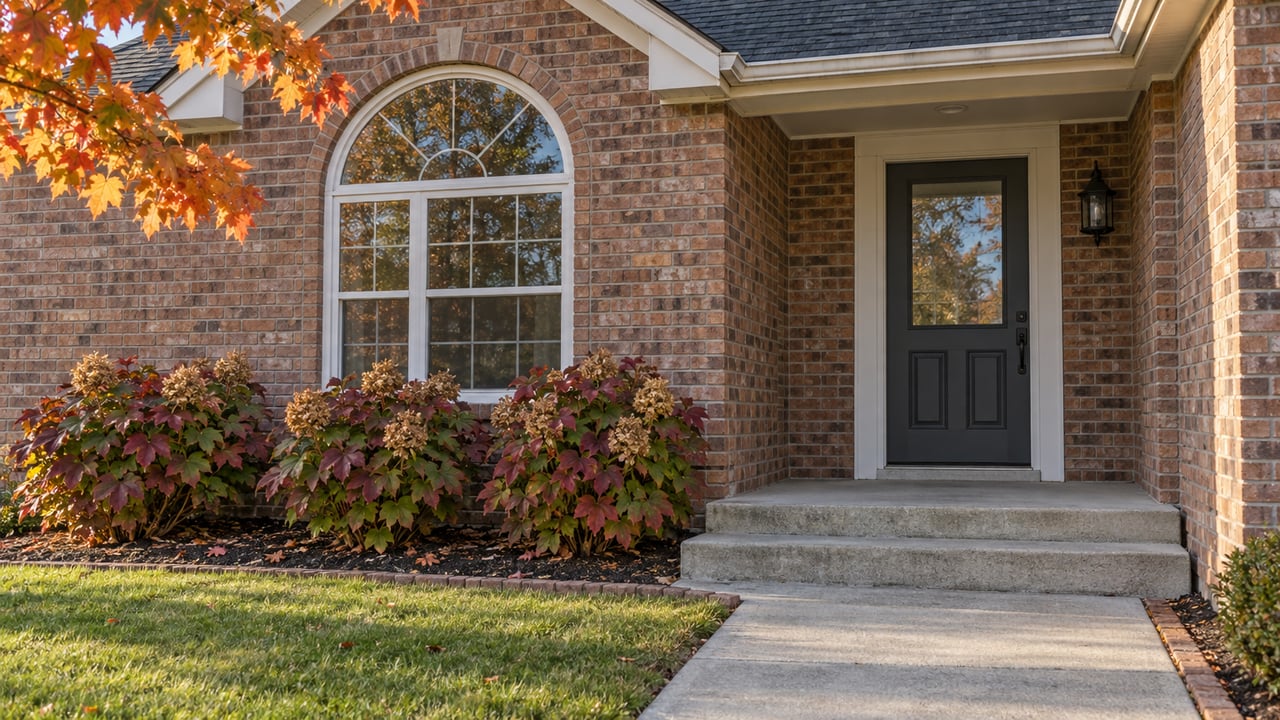
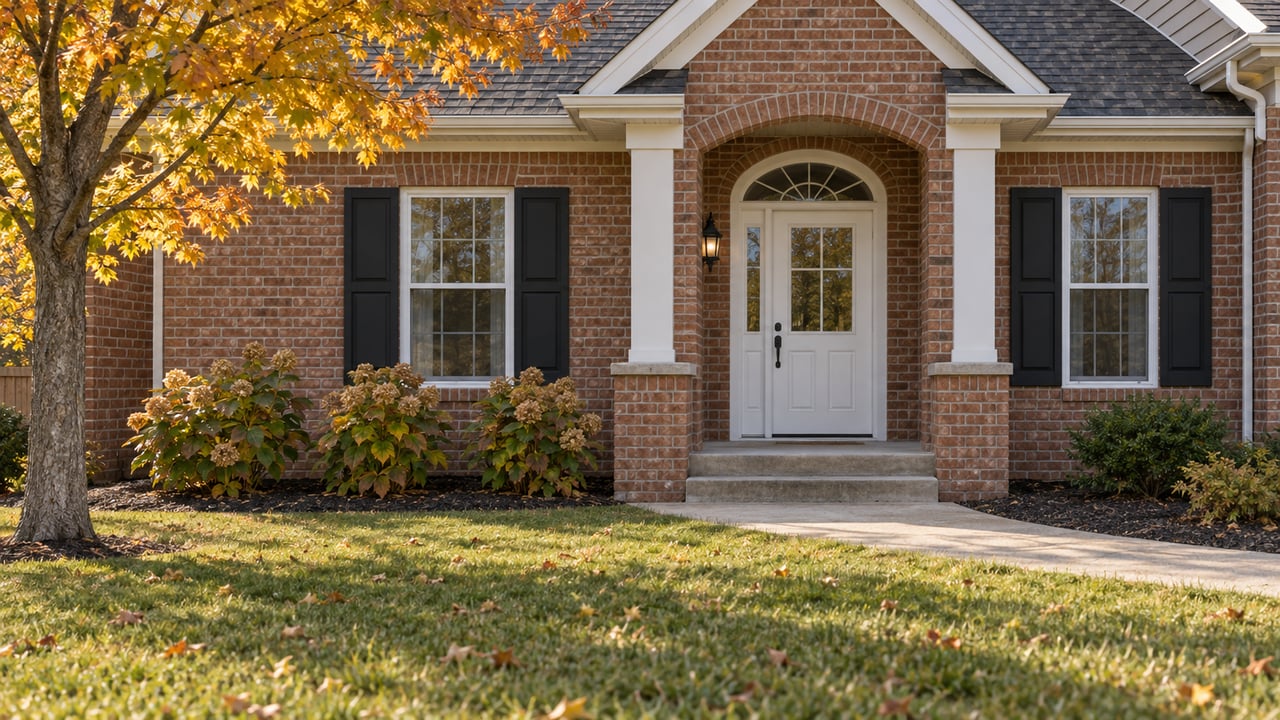
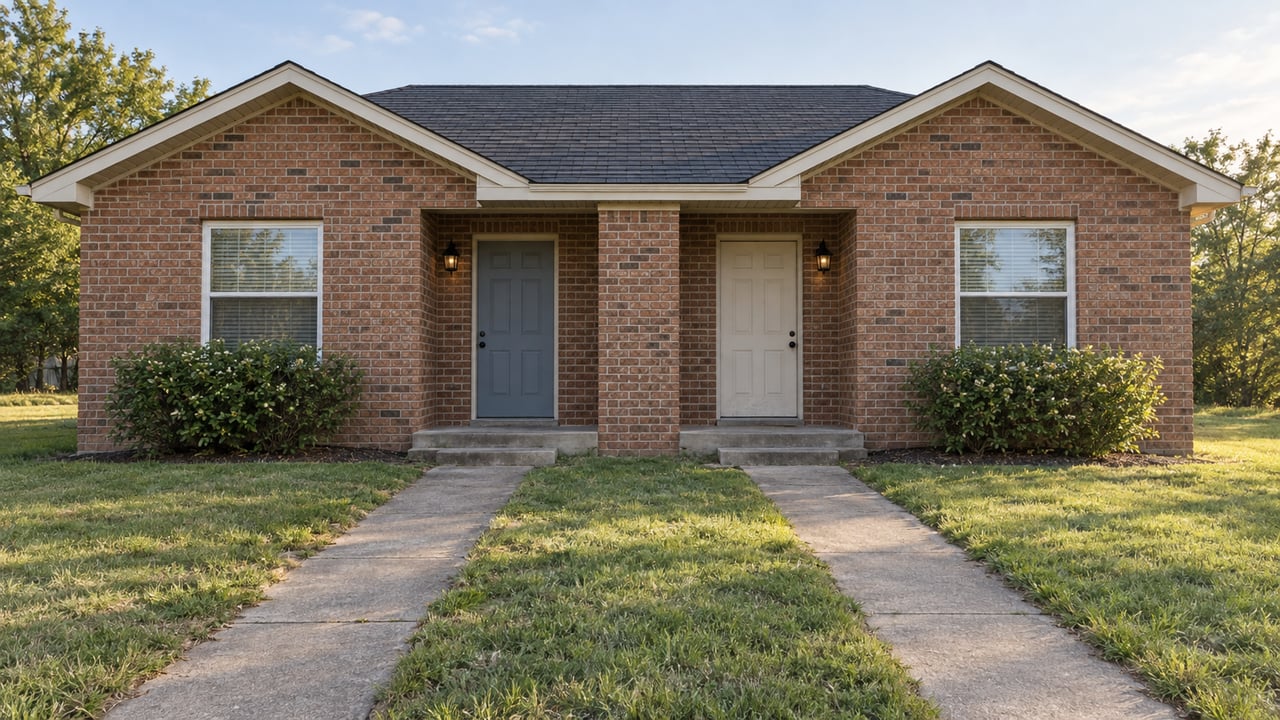
Look at what's actually for sale in Springdale's duplex and small multifamily inventory this fall, and the pattern repeats across several listings at once.
| Property | Current rent situation | Lease type | What it tells an investor |
|---|---|---|---|
| Springdale duplex, corner lot | One unit at $1,000/month | Month-to-month | Tenant on a legacy rate the owner hasn't revisited |
| Springdale duplex, two-unit | Side A vacant and renovated, Side B occupied at $1,200/month | Month-to-month | Owner has already proven the renovated side can re-lease, hasn't tested the other |
| Fourplex, heart of Springdale | Aggregate rents below market by roughly $12,263/month | Mix of leases | Seller has quantified the loss-to-lease directly in the listing |
None of these are distressed properties. They're occupied, functioning, cash-flowing buildings. What they share is a landlord who hasn't moved rent in step with the broader market, which is exactly the condition that creates the opportunity a small investor can actually use, unlike a stabilized Bentonville asset where the rent roll is already priced to the ceiling.
The Gap That Doesn't Show Up in the Asking Price
Real estate investors call this loss-to-lease: the difference between what a unit is currently collecting and what it could collect if leased today at market rate. It's not a defect. It's usually the byproduct of a landlord who values a reliable long-term tenant over maximizing rent, or who simply hasn't kept pace with a rental market that's moved faster than their attention to it.
For a buyer, that gap is real, but it isn't liquid on day one. A lender sizing a loan on that fourplex is going to underwrite the in-place rent roll, not the achievable one. The $147,000 a year in upside exists on a spreadsheet the moment you sign the purchase contract, and it starts showing up in your bank account only unit by unit, as each month-to-month lease turns over and gets re-leased at the current rate. Month-to-month leases work in the investor's favor here in one specific way: they can mean a shorter runway to capture the gap than you'd get on a property full of twelve-month leases signed at last year's rate.
It's still a runway, not a switch. Every unit you re-lease at a higher rate carries the ordinary cost of turnover: a vacancy period, cleaning and minor repairs, and the time it takes to find a qualified tenant willing to pay the new number. An investor buying on the loss-to-lease story needs a realistic timeline for how many units turn over in year one versus year three, not an assumption that the full $147,000 shows up the month after closing.
Why the Renter Base Holds
The reason this gap is worth chasing at all, rather than a warning sign about a soft rental market, comes down to who's renting these units in the first place. Springdale is home to Tyson Foods' world headquarters, along with a significant presence from Cargill and George's, three of the region's largest food processing employers. That kind of durable, blue-collar and corporate employment base keeps a steady floor under rental demand in a way that a market dependent on a single industry or a seasonal economy wouldn't. Vacant units near these employment centers tend to fill, which is exactly what makes a turnover-based rent increase strategy workable rather than theoretical. If the demand weren't there, raising the rent on a legacy tenant would just mean an empty unit and a longer hold before the math improves.
Springdale's own housing numbers back this up at the macro level. The median closing price for homes in Springdale sat at $374,950 over the trailing six months, as measured through August 2026, a figure that puts the city solidly between Fayetteville and Bentonville on the regional price ladder. That mid-pack position, paired with an employment base that isn't going anywhere, is part of why the small multifamily stock here still has room for a buyer to work the gap between in-place and market rent, rather than buying into a market where that gap has already been squeezed out by someone with a bigger checkbook.
The lesson from the Bentonville sale isn't that Bentonville is now overpriced for investors. It's that the capital chasing that deal has already done the work of identifying where the easy yield in Northwest Arkansas multifamily used to be, and it isn't there anymore. Springdale's older duplex stock, with its month-to-month leases and its quietly underpriced rents, is where that yield moved. The number that matters isn't the asking price on the listing. It's the line, sometimes stated outright by the seller, showing exactly how far the current rent sits below what the market will actually pay.
If you're weighing a Springdale duplex or small multifamily purchase and want help pulling the actual rent comps for a specific corridor before you make an offer, reach out to Nancy Orum for a walkthrough of what a property's current lease terms really mean for your numbers.
This article is general information, not legal, tax or financial advice. Consult a qualified professional about your situation.