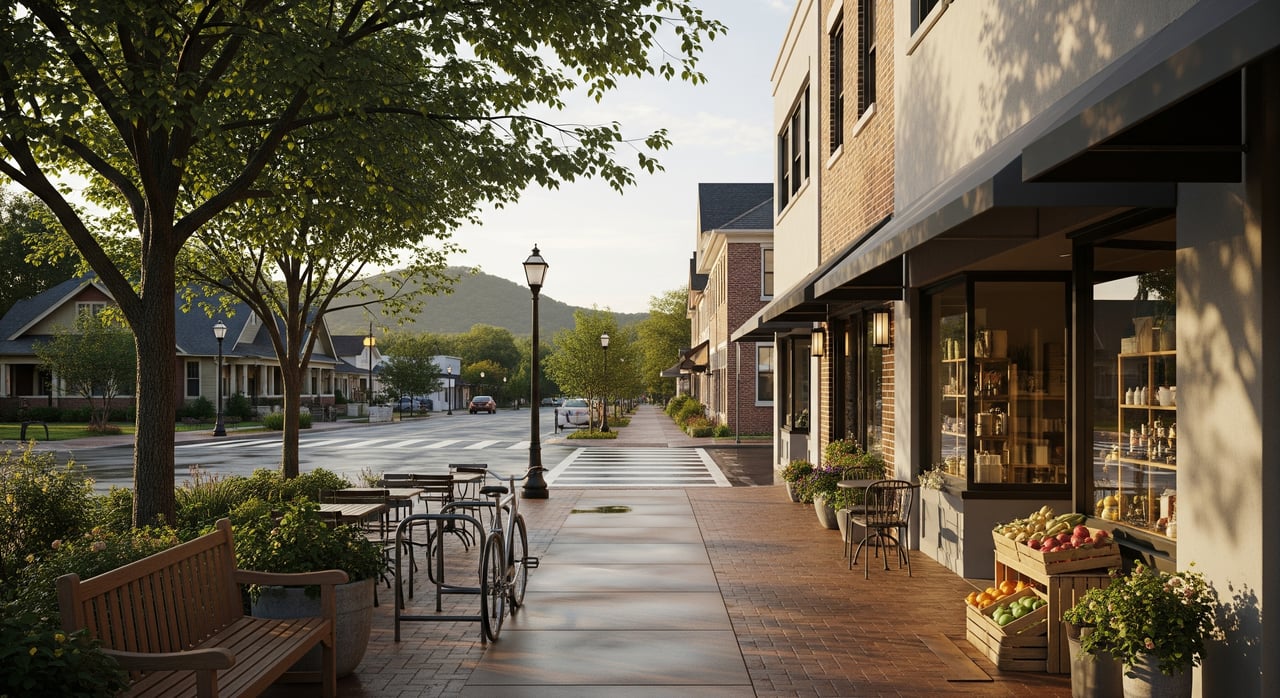
Wish you could pick up groceries, meet friends for coffee, and hit a trail without grabbing your keys first? If you’re eyeing Fayetteville for a walk-friendly lifestyle, you’ll find several pockets where daily errands and recreation are within a short stroll. It takes a little local know‑how to separate true walkability from places that are only walkable in parts, but that’s where this guide helps.
Below you’ll learn what “walkable” really means in Fayetteville, the neighborhoods that deliver the best day‑to‑day access, what types of homes you’ll find, and smart ways to verify the fit for your routine. Let’s dive in.
What walkable means here
In Fayetteville, a walkable neighborhood puts your most common errands in a 5–20 minute walk (about 0.25–1 mile). Think coffee, a quick lunch, pharmacy or convenience items, parks, cultural venues, and multi‑use trails. The Razorback Greenway acts like a spine for walkability across the city, connecting downtown to parks and neighborhoods with a safe, off‑road path for walking, running, and biking.
Walkability varies block by block. Downtown and the historic districts have the tightest street grid, more sidewalks, and the highest mix of shops, restaurants, and cultural spaces. As you move into suburban areas, you’ll often find walkable pockets near parks, trailheads, or neighborhood retail centers, with more car‑dependent streets in between.
Top neighborhoods for daily errands
Downtown and the University District (Dickson Street and Campus)
Walkable highlights: Dickson Street and College Avenue offer a dense mix of cafes, restaurants, bookstores, small grocers and convenience options, plus major cultural anchors like the Walton Arts Center, the Fayetteville Public Library, and University of Arkansas events. Sidewalks and short blocks make quick trips easy, and the Razorback Greenway runs nearby for low‑stress connections.
Homes and feel: You’ll see older historic homes (Victorian and Craftsman), small single‑family lots, duplexes, and a range of condos, lofts, and apartments. If you value character and energy over yard size, this area fits well.
Who it fits: Students, university staff, and anyone who wants restaurants, music, and cultural life at their doorstep. Expect more street parking and smaller lots.
Price context: Options range widely by property type and condition. Entry‑level walkable condos and smaller single‑family homes often provide the most affordable path to live in the core, while larger historic homes in premier blocks can command premium prices. Verify current pricing with Northwest Arkansas MLS data.
Washington‑Willow and Wilson Park Historic District
Walkable highlights: These historic neighborhoods sit near downtown, parks, and the public library. You can stroll shaded, tree‑lined streets to small shops and restaurants, and reach cultural sites and community events within minutes.
Homes and feel: Expect Victorian and Craftsman architecture, renovated turn‑of‑the‑century homes, and some duplexes. Sidewalk coverage is generally good, and smaller lots support a pedestrian rhythm.
Who it fits: Buyers who love historic charm and want a quiet, residential feel within walking distance of downtown amenities. Many are open to renovation projects.
Price context: Historic character often boosts values compared to similar non‑historic areas. Prices vary based on renovation level, lot size, and exact block. Confirm current ranges with local MLS reports.
Gulley Park and the South‑Central Corridor
Walkable highlights: Gulley Park offers recreation fields and easy connections to the Razorback Greenway. Depending on your exact block, you can walk or bike to neighborhood cafes and local shops, with central Fayetteville amenities a short ride away.
Homes and feel: Mid‑century cottages and bungalows mix with modest ranches and newer infill properties. Many streets feel residential and calm, with quick trail access for daily exercise.
Who it fits: Active buyers who want parks and trails out the door, and who do not mind a short bike or drive for larger errands.
Price context: Generally mid‑range for the city. Homes with larger yards can be more affordable than downtown historic properties, while updated homes near trail connections trend higher. Always validate current figures using recent MLS activity.
Mount Sequoyah and West‑Central
Walkable highlights: The Mount Sequoyah area blends quieter streets with green space, access to community venues, and short drives to downtown. Depending on where you land, you can walk to parks and neighborhood spots, then connect quickly to cultural life nearby.
Homes and feel: Mid‑century homes, older single‑family properties, and some custom builds on larger lots. Hillside homes and unique architecture are part of the charm.
Who it fits: Buyers who prefer a peaceful residential setting with walking routes to parks and neighborhood cafes, plus quick downtown access when needed.
Price context: Moderate to upper‑moderate overall. Custom or hillside properties can price higher due to lot and view characteristics. Review up‑to‑date comparables before touring.
Lake Fayetteville and Northeast Fayetteville
Walkable highlights: The Lake Fayetteville Park loop is a standout for walking, running, and biking. While many larger errands sit a short drive or bike ride away, homes in pocket neighborhoods close to the lake or commercial nodes enjoy better day‑to‑day access.
Homes and feel: Split‑levels, ranches, and traditional single‑family homes are most common, with some newer infill townhomes in closer‑in pockets. The vibe is active and nature‑oriented.
Who it fits: Families and active adults who prioritize proximity to trails and green space, and who are comfortable biking or taking short drives for groceries and dining.
Price context: Moderate to upper‑moderate depending on lake proximity, lot size, and renovations. Confirm current market activity with MLS data.
Key tradeoffs to weigh
- Sidewalks and crossings: Downtown and the historic districts typically have better sidewalk coverage and crosswalks. Some suburban streets lack continuous sidewalks, which can affect safety and comfort. Always test routes at different times of day.
- Grocery access: Full‑service grocers are scattered citywide. The easiest walkable grocery runs tend to be downtown and near established commercial corridors. In trail‑forward areas like Lake Fayetteville, plan for biking or short drives unless you live near a neighborhood store.
- Parking and car ownership: Walkable locations often come with smaller lots, limited driveways, and more on‑street parking. Near campus, some blocks use permit parking. Think through guest parking, deliveries, and how many vehicles you realistically need.
- Noise and nightlife: Entertainment districts bring energy that many buyers love. If you’re sensitive to late‑night activity, choose blocks just beyond the busiest corridors.
- Family logistics: If you have kids, map your routes to schools, parks, libraries, and after‑school activities. Some highly walkable blocks favor smaller homes and yards, while nearby pockets provide more space with a bit less walk‑to access.
How to test walkability before you buy
Use this simple field checklist to see how a neighborhood performs for your routine:
- Set a 10‑minute timer and walk from a likely home base to coffee, a park, and a convenience store. Note sidewalk quality and crossings.
- Repeat at dusk or after dark to check lighting, traffic speeds, and comfort.
- Map your weekly errands. Which can you do entirely on foot, and which are a short bike ride on the Razorback Greenway?
- Try a grocery run with a small bag or cart. If it’s longer than 15 minutes each way, decide if biking works for you.
- Assess parking. Is there off‑street space for your household and a guest? If not, is on‑street parking realistic?
- Listen for ambient noise near entertainment areas and busy streets. Visit on a weekday evening and a weekend morning.
- Evaluate hills and grades. Some scenic streets near Mount Sequoyah have steeper climbs that matter for daily walks.
Buying tips for walkable Fayetteville homes
- Start with your routes, not the house. A charming home that misses your key walk‑to essentials will not deliver the lifestyle you want.
- Be flexible on size and lot. In the most walkable areas, smaller homes, condos, or townhomes often put you closest to daily errands.
- Prioritize condition in historic districts. Older homes can have unique maintenance needs. Factor renovation costs and timelines into your plan.
- Think bike storage and gear. If the Greenway is part of your routine, look for secure storage and easy access to the street or trail.
- Check local parking rules. Near campus and downtown, confirm any permit requirements and guest parking options before you commit.
- Validate pricing with current data. Use recent Northwest Arkansas MLS activity to understand realistic ranges for each property type and block.
What this means for your search
Fayetteville offers several authentic walkable choices, especially around downtown, the University District, and connected pockets along the Razorback Greenway. If you value short, safe trips to coffee, parks, and culture, start with the neighborhoods above, then fine‑tune by testing your actual routes. The right block can make all the difference.
If you want a custom, map‑based plan that traces your daily errands, favorite trails, and home options, reach out. We’ll help you compare neighborhoods, shortlist properties that fit your routines, and tour at the right times of day so you can feel the lifestyle in real time.
Ready to find your walk‑friendly Fayetteville home? Connect with Nancy Orum to schedule a friendly consultation and start your tailored search.
FAQs
What does “walkable” mean in Fayetteville?
- In practical terms, it means most daily errands and amenities sit within a 5–20 minute walk (about 0.25–1 mile), with sidewalks or multi‑use trails like the Razorback Greenway for safe connections.
Are groceries truly walkable in these areas?
- Downtown and nearby historic districts often have the best walk‑to options for groceries and convenience items, while areas near Lake Fayetteville or Gulley Park may require a short bike ride or drive unless you live next to a neighborhood store.
How are sidewalks and crossings across neighborhoods?
- Coverage is generally stronger downtown and in historic districts, with some suburban streets lacking continuous sidewalks; always walk your routes at different times to gauge comfort and safety.
What should I know about parking in walkable areas?
- Expect smaller lots and more reliance on street parking, especially near the University District; check for permit zones and guest parking options before you buy.
Which walkable areas work best for families?
- Families often like pockets near parks, libraries, and trails such as Wilson Park, Gulley Park, and Lake Fayetteville; compare home size, yard needs, and school proximity with your preferred walking routes.