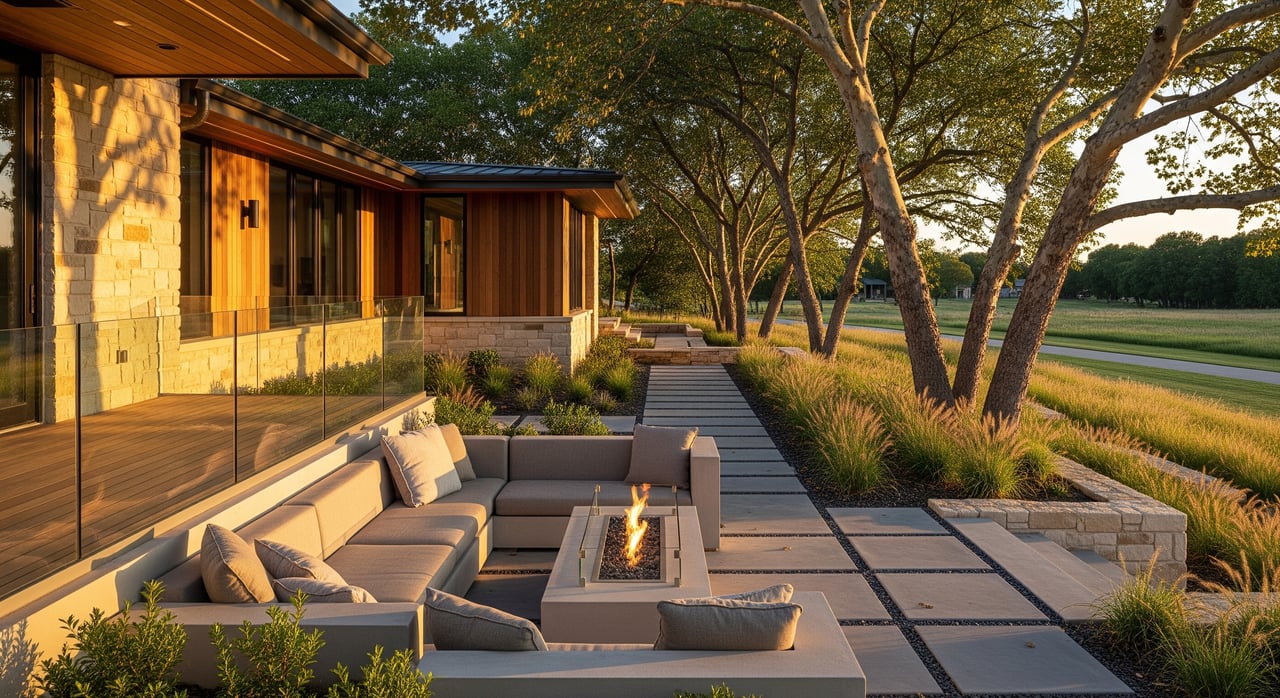
Live near a Lowell trail connection and want your outdoor space to match your trail life? Small, smart upgrades can turn pre-ride chaos and post-ride cleanup into an easy, daily routine while boosting curb appeal. Whether you plan to sell soon or just bought a place, you can prioritize a few high-impact projects that fit our Northwest Arkansas climate and lifestyle.
This guide gives you a step-by-step plan for bike-friendly storage, rinse stations, shade, seating, and stormwater-wise paths. You’ll see budget tiers, quick wins, and maintenance tips tailored to Lowell. Let’s dive in.
Start with a simple plan
Before you buy materials, look at how you reach your home from the trail. Identify the most direct, step-free path and where bikes, shoes, pets, and people land first. In Lowell, summers are hot and humid with sudden rain, so design for shade, durability, and good drainage.
Confirm any property lines and trail easements, and check for HOA rules. Small sheds, plumbing, and electrical often need permits. Verify with City of Lowell planning, Benton County permitting, and your HOA before building. Plan improvements in phases so you can enjoy quick wins now and add features over time.
Bike-friendly storage that works
Choose the right storage
- Wall-mounted hooks or vertical racks for garages or covered areas
- Inverted-U racks for quick, everyday parking
- Lockable 6×8 sheds for 2–3 adult bikes plus helmets and tools
- Freestanding cabinets or garage systems for gear
A single bike wall hook needs about 2–3 feet of width. If you use an inverted-U rack, allow 24–30 inches per bike. Keep 3–4 feet of clear width for easy maneuvering.
Site for easy access and security
Place storage near the approach from the trail to shorten the carry-in path. Aim for a step-free landing that transitions to your door, mudroom, or garage. Pour a concrete or permeable paved pad to stop mud from tracking indoors.
For security, anchor racks and sheds to concrete and use tamper-resistant fasteners. Position storage within normal sightlines. Add motion lighting if you need extra visibility.
Build it to last
Use galvanized or powder-coated steel racks and stainless fasteners. For sheds, choose cedar or composite cladding to resist rot and insects. Avoid untreated softwoods at ground level. Match colors and hardware to your home so storage reads as part of the design, not an afterthought.
Quick wins for storage
- Install a sturdy inverted-U rack on a small concrete pad
- Add wall hooks for helmets and bags at kid and adult heights
- Place a rubber mat or boot tray by the door to protect floors
Rinse stations and easy cleanup
Options from simple to full
- Simple: A hose bib with a high-pressure nozzle, hose reel, and a raised concrete or gravel pad with a removable grate
- Intermediate: A foot or boot wash area with a sloped drain to landscaping, quick-connect hose, and a hand shower head
- Full: An outdoor rinse stall with hot and cold mixing valve and proper drainage to sanitary sewer or an approved drywell
A basic pad plus hose gets you 80 percent of the benefit with minimal cost. Place tether points so bikes can stand while you rinse them.
Drainage and winterization
Direct wash water into an infiltration area, rain garden, or the municipal sanitary sewer where allowed. Do not drain into storm sewers. Use biodegradable cleaners only. For unheated fixtures, choose frost-proof hose bibs with winter shutoff valves to prevent freeze damage. Permanent plumbing often requires a licensed plumber and permits. Backflow prevention may be required.
Convenient add-ons
- Hose hanger at bike height
- Brush mount and small storage shelf
- A bench for shoe changes and bottle refills
Shade, seating, and pause spaces
Shade that fits your site
- Living shade: Plant fast-establishing native trees where roots will not conflict with paths
- Structural shade: Use pergolas, shade sails, or arbors for an immediate effect
- Combined: Pair a small pergola now with young trees for long-term comfort
Seating that supports daily use
Add built-in or movable benches and small café sets. Position seating with sightlines toward the trail for safety, but set back enough for privacy. Morning and evening light are most comfortable, so orient accordingly.
Materials and helpful amenities
Choose composite decking, powder-coated steel, and rot-resistant wood for low maintenance. Add a small table, an outdoor rug, and low-profile planters. Keep a bike rack nearby so stopping and sitting feels natural.
Paths, surfaces, and stormwater
Choose the right surface
- Concrete: Durable and bike-friendly, but can be hotter under sun
- Permeable pavers or permeable concrete: Reduce runoff and support infiltration
- Compacted crushed stone or decomposed granite: Natural look and lower cost, but needs edging and periodic maintenance
- Resin or recycled rubber pavers: Comfortable and accessible, typically higher cost
Drainage that protects your property
Use gutters, swales, infiltration beds, and rain gardens to handle runoff from storms and rinse stations. Do not direct water onto neighboring properties or public trails. Plantings that intercept runoff can also boost curb appeal.
Smooth transitions
Create a stable transition from the public trail to your private path. A 4–6 foot wide entry helps with bikes, strollers, and ADA-friendly movement. Keep edges defined so gravel or mulch does not migrate.
Landscape, planting, and privacy
Choose plants that thrive
Favor native or well-adapted plants for low maintenance and drought tolerance once established. Layer evergreen and deciduous plants for year-round structure and seasonal color. Examples suitable for Northwest Arkansas include flowering dogwood, eastern redbud, crape myrtle, native oaks and sumac, switchgrass, little bluestem, purple coneflower, black-eyed Susan, and serviceberry. Confirm exact cultivars and hardiness with the Benton County Cooperative Extension Service.
Balance privacy and visibility
Use low hedges, staggered plantings, or semitransparent fencing to maintain natural surveillance of the trail while protecting your privacy. Keep plant heights and placements from creating blind spots near driveways or trail access points.
Invite pollinators
Add a pollinator bed with native flowers near seating areas for seasonal color and habitat. Avoid invasive species to protect local ecosystems.
Lighting, safety, and security
Light for comfort, not glare
Choose low-glare, shielded fixtures with warm color temperature under 3000K. Path lights and step lights add safety. Motion sensors or low-lux walk lights support security without overpowering the trail environment.
Electrical that’s code-smart
Outdoor GFCI outlets help with e-bike charging or pump use. Installers should follow local code, and HOA rules may apply to charging. Use licensed electricians for new circuits or exterior outlets.
Keep sightlines clear
Trim plantings near corners and driveways. Maintain good visibility where bikes and cars enter or exit. Clean, open sightlines improve safety for you and your neighbors.
A phased plan with budgets
Prioritize in four steps
- Safety and function: Secure storage, safe access, and drainage
- Curb appeal: Tidy entry, coordinated finishes, low-maintenance planting
- Everyday convenience: Rinse pad, seating, small shed
- Comfort upgrades: Pergola, integrated lighting, heated rinse
Budget tiers to guide decisions
Minimal or entry
- Install an inverted-U or wall rack, add a heavy-duty hose bib with reel, place a durable bench and a few planters, and tidy the landscape
- Estimated ballpark: a few hundred to about $1,000
Moderate
- Add a 6×8 lockable shed, pour a concrete or permeable landing, set a simple rinse pad that drains to the garden, install a modest shade structure or pergola, and improve lighting
- Estimated ballpark: about $1,500 to $7,000
Premium
- Build a rinse stall with hot and cold mixing valve, create an accessible paved path, expand secure storage, integrate a pergola or small deck, complete professional landscaping and stormwater features, and rough-in e-bike charging
- Estimated ballpark: $7,000 to $25,000 or more, depending on site and trades
Seller’s high-ROI short list
- Make bike storage look intentional with finishes that match the home
- Install a functional hose bib and a tidy hose reel
- Plant low-maintenance, seasonal beds to frame the trail entry
- Add one or two quality seating elements
- Ensure a clean, level, 4–6 foot wide approach from the trail
Buyer visualization checklist
- Mark where 2–4 bikes will live and how you’ll maneuver them with 3–4 feet of clear width
- Sketch a 6×8 shed location and a direct path from trail to door
- Note how a rinse pad would tie to a hose bib or proposed plumbing
- Identify a future shade spot for a pergola or two small trees
- Plan a path width of 48–60 inches for bikes and strollers
Permits, codes, and maintenance
What to verify locally
- Accessory structures: Sheds under a common threshold may be exempt, but larger or connected structures often need permits
- Plumbing and electrical: Outdoor taps, mixing valves, and outlets usually require licensed trades and permits
- Easements and setbacks: Trail easements can limit where you place structures; do not encroach
- HOA and CCRs: Rules can govern colors, fencing, and exterior structures
- Environmental: Do not discharge rinse water into storm sewers
Contact the City of Lowell Planning and Building Department, Benton County permitting offices if applicable, and your HOA before starting work. The Benton County Cooperative Extension Service can help with native plant lists, soils, and rain garden guidance. Get multiple bids from licensed local contractors.
Ongoing care
- Rinse stations: Winterize or use frost-proof fixtures; clean drains and filters
- Storage: Inspect fasteners, seals, and locks seasonally
- Landscape: Mulch and prune to maintain sightlines; irrigate during hot months
Pulling it all together
Design for Lowell’s greenway lifestyle by tackling secure bike storage and a simple rinse solution first. Then add shade, seating, and planted edges that handle water and look great year round. A phased plan keeps costs controlled and creates daily convenience you will feel from the first ride home.
Ready to tailor a plan that supports your goals, timeline, and budget? Reach out to Nancy Orum for local guidance on which projects pay off in your part of Lowell, plus solid referrals to trusted pros. Start the conversation with Unknown Company today.
FAQs
Do Lowell homeowners need permits for sheds by trails?
- Possibly. Permit needs depend on shed size, placement, and whether utilities are connected. Confirm requirements with the City of Lowell and your HOA.
What is the easiest rinse setup for bikes and pets?
- A frost-proof hose bib, hose reel, and a small raised pad with good drainage provide quick cleanup with minimal cost and winter protection.
How wide should a path be from the trail to my door?
- Aim for 48–60 inches so bikes, strollers, and walkers can pass comfortably. Keep transitions stable and edges defined.
How can I deter bike theft at home?
- Anchor racks to concrete, use quality locks, maintain clear sightlines, and add motion lighting or cameras where appropriate.
Which plants thrive with low maintenance in Northwest Arkansas?
- Consider flowering dogwood, eastern redbud, crape myrtle, native oaks and sumac, switchgrass, little bluestem, purple coneflower, black-eyed Susan, and serviceberry. Verify selections with the county Extension.
Will outdoor plumbing freeze in Lowell winters?
- Occasional freezes can cause damage. Use frost-proof fixtures, add shutoff valves, and winterize hoses and lines before cold snaps.