Thinking about buying a condo or townhome in Rogers? You are not alone. For many buyers, attached homes offer a practical way to enjoy a great location with less exterior upkeep, but they also come with rules, dues, and ownership details that can feel confusing at first. This guide will help you understand how condos and townhomes work in Rogers, what to look for before you buy, and how to make a smart, confident decision. Let’s dive in.
Why Rogers attracts condo and townhome buyers
Rogers offers a mix of convenience, recreation, and local character that makes attached living appealing. You can find walkable areas near historic downtown, shopping and dining around Pinnacle Hills, and easy access to outdoor spaces like Lake Atalanta, the Railyard Bike Park, and the Razorback Regional Greenway.
That local setup fits well with buyers who want a lower-maintenance lifestyle. If you like the idea of spending less time on yard work and exterior repairs while staying close to trails, restaurants, retail, and commuter routes, a condo or townhome may be worth a closer look.
What counts as a condo or townhome
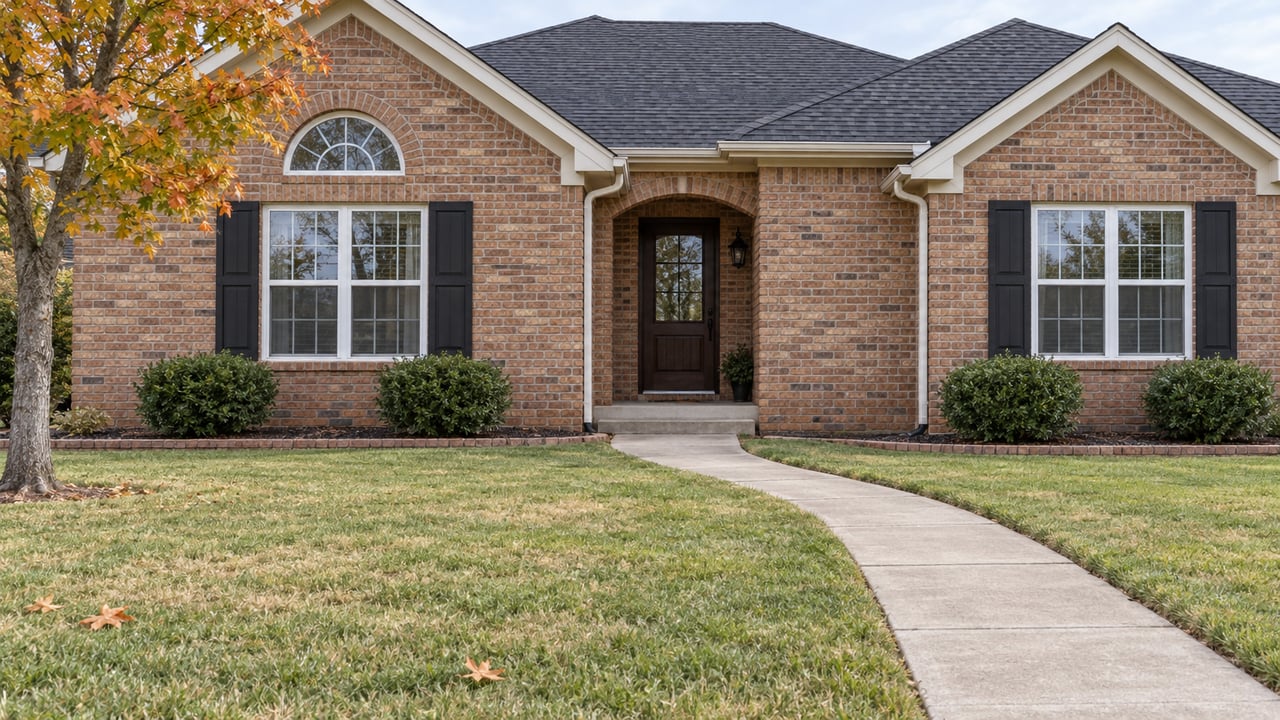
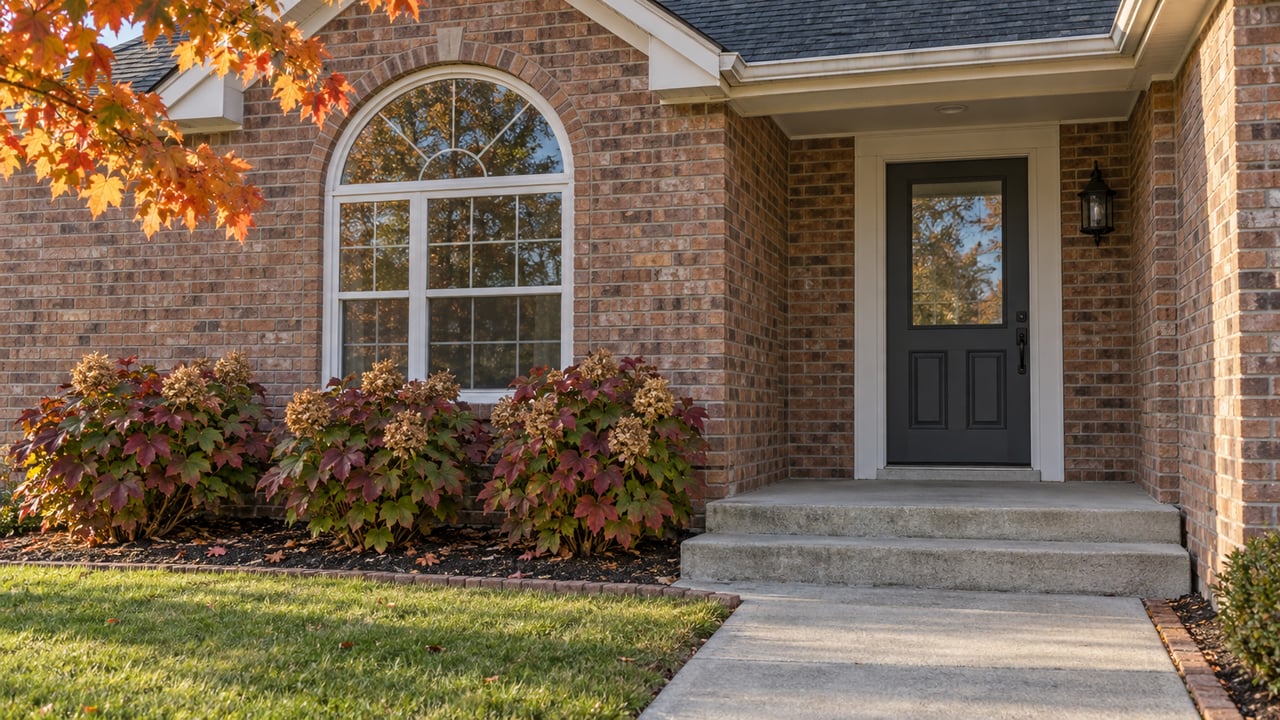
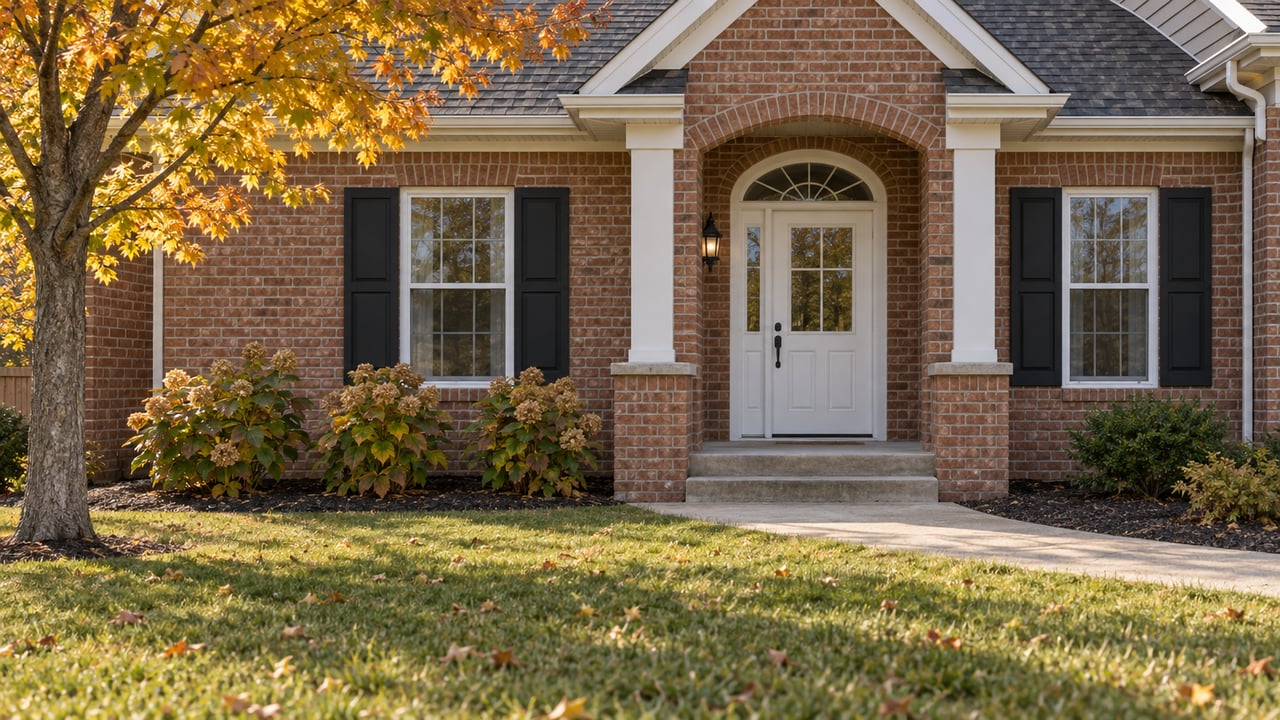
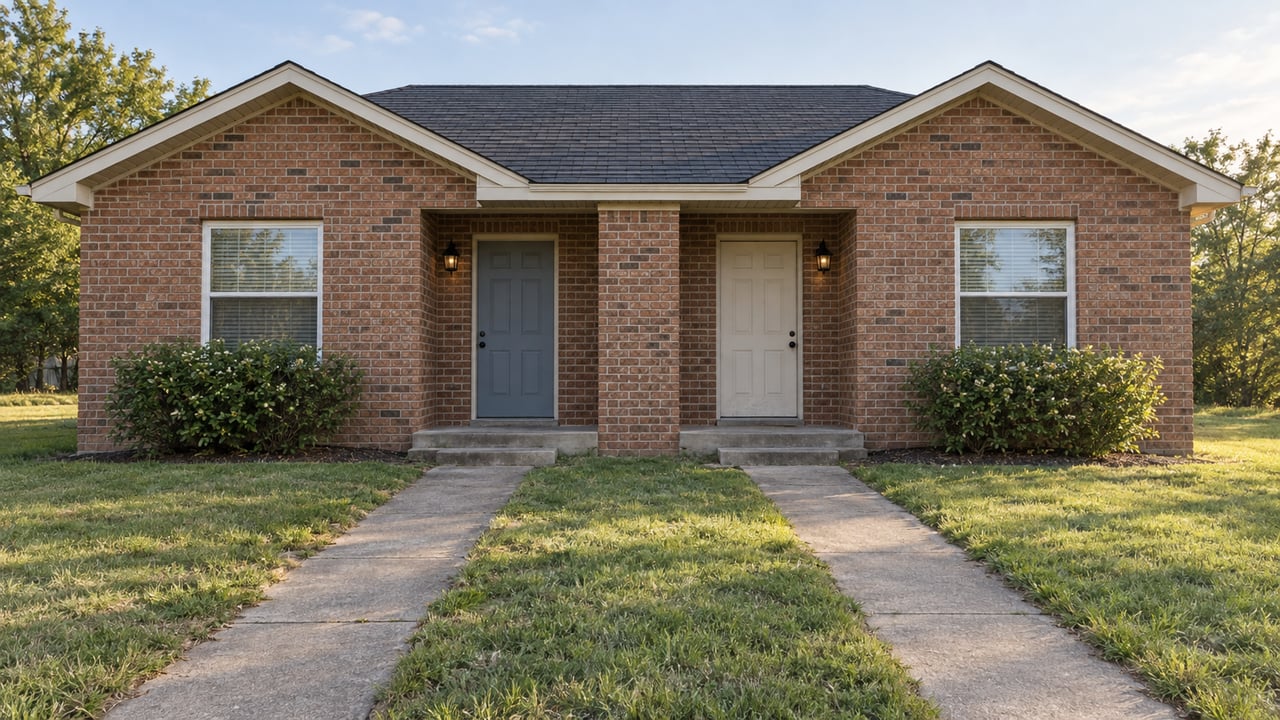
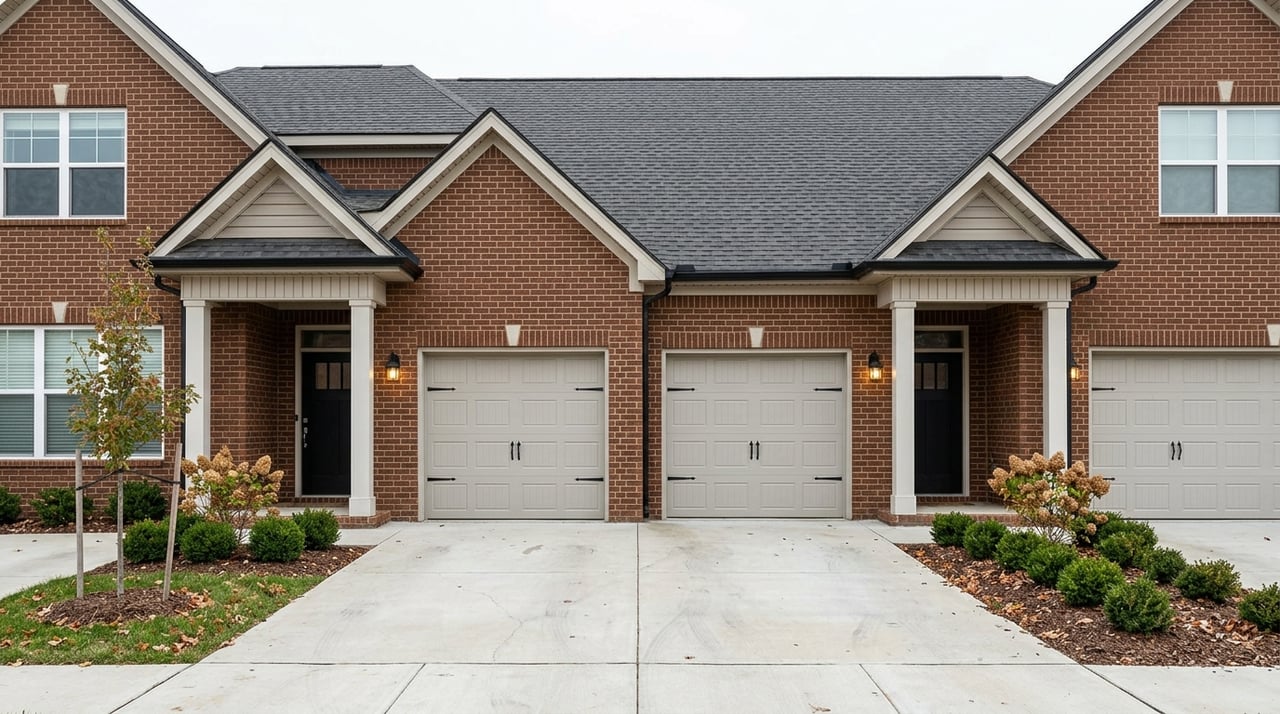
Condos and townhomes can look similar, but the ownership structure is often different. In Rogers, attached homes on the market can range from compact downtown units to larger two-level residences with attached garages and low-maintenance yards.
Current examples in the market include small downtown units around 560 square feet, condos around 1,400 square feet with two bedrooms and two baths, and larger townhome-style homes with two or three bedrooms and attached two-car garages. That variety gives you options whether you want a simple lock-and-leave home or more space for daily living.
How condo ownership works in Arkansas
In Arkansas, many condo-style properties fall under the Horizontal Property Act. Under this law, a condo regime is created by recording a master deed in the county where the property is located.
That matters because it defines what you own individually and what is shared. In general, you own your unit exclusively, while items like land, roofs, halls, lobbies, stairs, and central services are treated as common elements.
Some features may be classified as limited common elements. These can include things like balconies, patios, exterior doors, and exterior windows that are assigned to one unit rather than shared equally by everyone.
This legal structure affects everyday ownership more than many buyers expect. It helps determine who maintains certain parts of the property, how costs are divided, and what approvals may be needed before changes are made.
Why the master deed matters
The master deed is one of the most important documents in a condo purchase. Arkansas law says co-owners contribute toward expenses and assessments according to the master deed, and that same document sets voting and allocation details.
In simple terms, the master deed helps answer key questions about responsibility and cost. If you are comparing attached homes in Rogers, this is one of the first places to look when you want to understand the fine print.
HOA dues: what they may cover
One of the biggest questions buyers ask is what the monthly HOA or condo fee actually includes. These fees are usually paid directly to the association, not folded into your monthly mortgage payment, so you need to budget for them separately.
Fees can vary widely by community. Consumer guidance cited in the research notes that HOA or condo dues can range from a few hundred dollars a month to more than $1,000 a month, depending on the property and services provided.
In many communities, those dues help cover shared maintenance and common-area obligations. That may include landscaping, exterior maintenance, and in some condo projects, parts of the building structure such as roofs or shared systems.
Because coverage can differ from one community to another, always ask for a specific breakdown. Do not assume that one Rogers condo or townhome community handles costs the same way as another.
HOA rules and approval requirements
Attached living often comes with shared rules. Those rules are usually found in the governing documents, such as CC&Rs or bylaws, and they can affect how you use and modify the property.
For example, a community may require approval before certain exterior changes are made. Rules may also address parking, use restrictions, and day-to-day standards for the property.
That does not mean attached living is a bad fit. It simply means you should know the rules before you buy, especially if you want flexibility with parking, exterior updates, or future rental plans.
Insurance: what the HOA covers and what you cover
Insurance is another area where condo and townhome buyers need clarity. A condo association may carry a master policy that covers common areas, but that does not usually replace your need for your own policy.
Consumer guidance in the research notes that unit owners still need separate insurance for the unit. Before closing, ask for the association’s insurance summary so you can understand where the master policy stops and where your personal coverage needs begin.
This step can help you avoid gaps in coverage and budget more accurately. It is especially important in attached housing, where responsibility can be split between the association and the owner.
Special assessments and reserve questions
Monthly dues are only part of the financial picture. You should also ask whether there are any upcoming special assessments, major repairs, or reserve concerns.
That is important because Arkansas law ties expenses and assessments to the governing structure set out in the master deed. If a roof, shared system, or major common-area feature needs work, owners may be responsible for costs beyond regular monthly dues.
Recent meeting minutes, the HOA budget, and the governing documents can help you spot red flags early. This is part of smart due diligence, not overthinking.
Rental rules matter more than buyers expect
If you may want to rent the property in the future, check the rental policy before you make an offer. Some projects have lease minimums, rental caps, or restrictions on short-term rentals.
This step matters for both lifestyle and financing reasons. The research notes that projects with hotel-like use, daily or short-term rentals, rental pooling, or occupancy restrictions can create financing issues in some cases.
Even if you plan to live in the home full time, it is still wise to understand the rules. Your future plans may change, and rental restrictions can affect flexibility and resale appeal.
Parking and access details to confirm
Parking is easy to overlook when you are focused on layout and finishes. In attached communities, though, it is an important detail to confirm early.
Ask whether parking is assigned, deeded, shared, or first come, first served. If the property includes a garage, designated space, or guest parking arrangement, make sure that information is documented and clear before closing.
Where many buyers focus in Rogers
Downtown Rogers
Downtown Rogers is a strong search area for buyers who want walkability and an urban feel. Local sources describe it as a lively district with historic charm, brick-lined streets, shops, restaurants, the Railyard Entertainment District, and connections to the city trail system.
It is also close to Lake Atalanta, which includes 236 acres of park space. If you want to be near local events, dining, trails, and a more connected in-town setting, downtown Rogers is a natural place to start.
Pinnacle Hills
Pinnacle Hills is another area that draws condo and townhome buyers. The district is known for shopping, dining, and nearby retail clusters, making it especially relevant if convenience is high on your list.
For buyers who want quick access to commercial centers and major routes, this area often stands out. It can be a good fit if you value easy errands, nearby restaurants, and a more modern mixed-use feel.
Near trails and recreation
Some buyers care less about a named district and more about access to recreation. In Rogers, homes near the Razorback Regional Greenway, Lake Atalanta, or the Railyard Bike Park can be especially appealing.
If you want to step outside and quickly reach trails or outdoor amenities without maintaining a large yard, these locations are worth watching. That balance is part of what makes attached homes attractive in this market.
A smart condo and townhome checklist
Before you commit to a condo or townhome in Rogers, ask for and review:
- The HOA budget
- Governing documents, including CC&Rs or bylaws
- The insurance summary
- Recent meeting minutes
- Details on monthly dues and what they cover
- Any pending special assessments or major repair plans
- Rental restrictions, lease minimums, or rental caps
- Parking details
- Confirmation of whether the property is a condo regime under Arkansas law
It is also wise to request these documents early. The review window for condo documents is often limited, so getting them as soon as possible gives you more time to understand what you are buying.
The trade-off to keep in mind
Condos and townhomes can offer convenience, location, and reduced exterior maintenance. In exchange, you take on shared rules, monthly dues, and the possibility of assessments or approval requirements.
That trade-off is not good or bad by itself. The key is making sure the specific community matches how you want to live, what you want to spend, and how much flexibility you may need over time.
If you are comparing condos or townhomes in Rogers, having a local guide can make the process much easier. Nancy Orum brings a neighborhood-first approach, clear communication, and hands-on support to help you sort through the details and find the right fit. When you are ready to explore your options, connect with Nancy Orum.
FAQs
What should buyers know about condo ownership in Rogers, Arkansas?
- Many condo-style properties in Arkansas are governed by the Horizontal Property Act, which separates private unit ownership from shared common elements like roofs, halls, stairs, and central services.
What do HOA fees usually cover for Rogers condos and townhomes?
- HOA fees often cover shared maintenance and common-area costs, but the exact coverage varies by community, so you should request a detailed breakdown before buying.
Do condo buyers in Rogers need their own insurance policy?
- Yes. A master policy may cover common areas, but unit owners generally still need separate insurance for their own unit.
What documents should condo and townhome buyers review in Rogers?
- You should review the HOA budget, governing documents, insurance summary, recent meeting minutes, and the master deed or other ownership documents tied to the property.
Are rental restrictions common in Rogers condo and townhome communities?
- Some communities may have lease minimums, rental caps, or limits on short-term rentals, so it is important to confirm the rules before you buy.
What areas of Rogers are popular for condo and townhome buyers?
- Many buyers focus on Downtown Rogers, Pinnacle Hills, and locations near Lake Atalanta, the Railyard Bike Park, and the Razorback Regional Greenway.